 nojetlag
In-Flight Nutrition: What to Eat (and Avoid) to Land Feeling Less Wrecked
Airplane food choices that support your circadian reset, and the ones that quietly work against it.
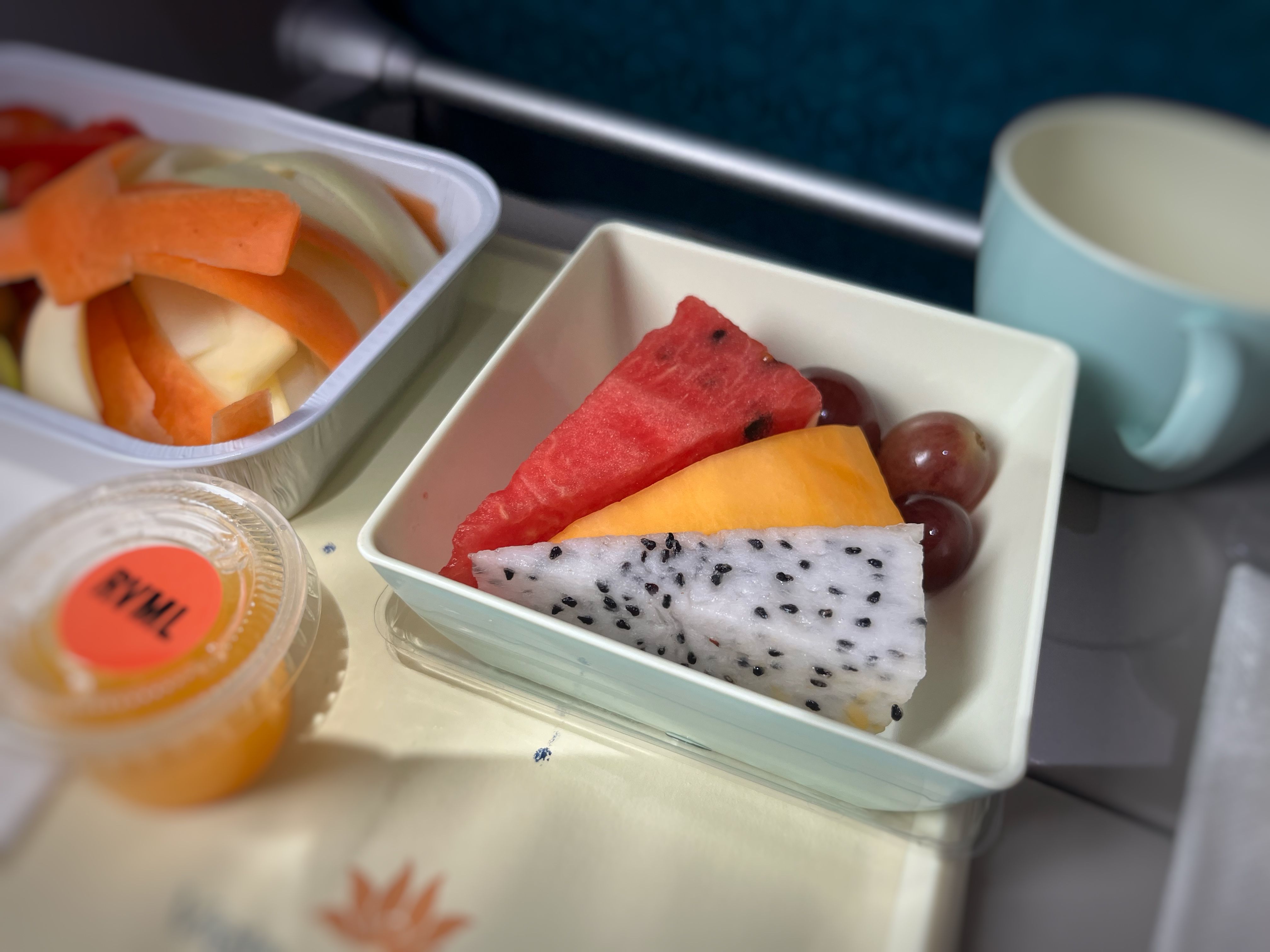
Airline meal timing is designed around flight schedules, not your circadian clock — which means the food arriving in front of you may be lunch by the clock but the middle of the night by your body's internal sense of time. Treating in-flight meals as a circadian tool, rather than something to pass the time, is a small shift that compounds with everything else in this series.
Eating on destination time, not departure time
As soon as you board, the food-timing goal becomes: eat in alignment with your destination's schedule, not your body's current hunger signals. If a meal lands at your destination's 3am, it's reasonable to eat lightly (or skip it) and wait for the next service, or bring your own snack timed for the destination's morning.
This connects directly to the Argonne-method principle: your first substantial meal at the new local morning acts as a synchronizing cue for your liver and gut's peripheral circadian clocks.
What to choose when you do eat
- Favor protein and vegetables over heavy carbohydrates and sugar at meals meant to align with destination daytime — protein-rich meals are associated with alertness.
- Go easy on sodium. Airline food tends to run high in salt, which combines with cabin dehydration to worsen bloating and puffiness.
- Fresh fruit and vegetables when available are a reasonable, easily digestible choice that won't weigh you down before an attempted sleep window.
- Avoid alcohol with meals if you're planning to sleep onboard — it fragments sleep architecture and dehydrates you further.
Bringing your own food
Airport security generally allows solid food through checkpoints (liquids and gels are restricted). Bringing structured snacks — nuts, a sandwich, cut vegetables — gives you control over timing that the airline's fixed meal service can't offer.
The bigger picture
None of this replaces light exposure or sleep timing as your primary jet lag tools — food alone won't reset your circadian clock. But treating meals as a deliberate, destination-timed signal is a low-effort way to reinforce the adjustment you're already working toward.
This article offers general nutrition guidance for travelers and is not medical or dietary advice for people managing specific health conditions.
Read how we select and verify our sources: Editorial Methodology