 nojetlag
Exercise During Jet Lag: An Underrated Accelerator for Circadian Reset
Physical activity is a genuine zeitgeber — here's how and when to use it to speed up jet lag recovery.
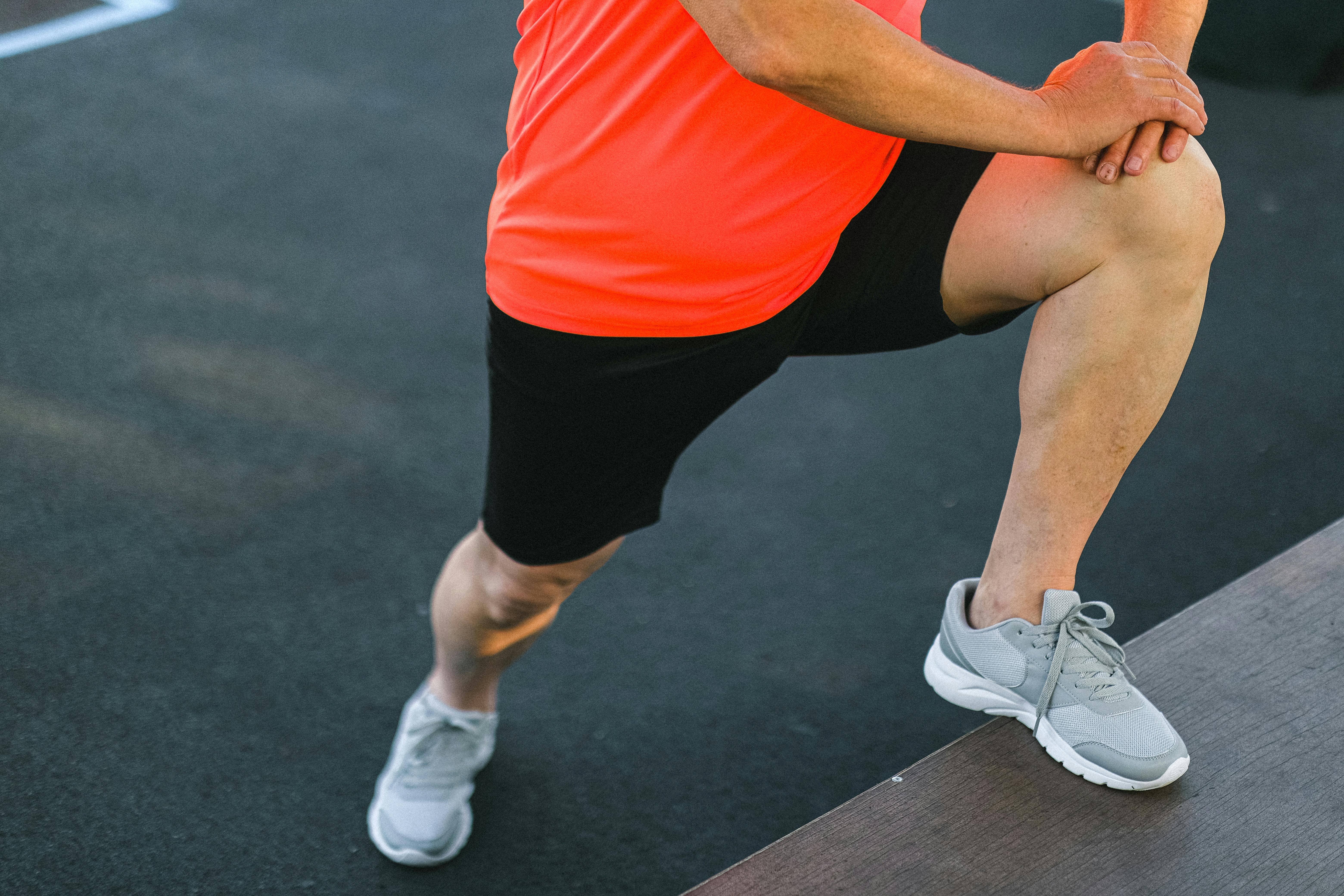
Light gets the credit as the primary circadian signal, and it deserves it — but physical activity is a genuine, independently studied zeitgeber in its own right. It won't outperform light exposure, but timed correctly, it adds a meaningful boost to your recovery rather than just distracting you from feeling tired.
Why movement affects your body clock
Exercise raises core body temperature and triggers release of factors that interact with peripheral circadian clocks, particularly in skeletal muscle. Studies on shift workers and jet-lagged travelers have found that timed exercise can produce measurable phase shifts in circadian markers — smaller than the effect of bright light, but additive when combined with it.
Timing follows the same logic as light
Because exercise interacts with the same phase response curve that governs light sensitivity, the timing principle is similar: activity in your destination's local morning tends to help advance your clock (useful for eastward travel), while activity in the local evening tends to help delay it (useful for westward travel).
What kind of exercise, and how much
Moderate exercise appears sufficient to produce a circadian effect. A brisk 20–30 minute walk outdoors, ideally combined with the light exposure you're already prioritizing, accomplishes two things at once: the movement itself and the light both push your clock in the same direction.
For travelers who prefer structured exercise, light-to-moderate cardio (jogging, cycling, swimming) in the appropriate time window is well supported. Very intense exercise close to your target bedtime is worth avoiding, since it raises core temperature and alertness in ways that can delay sleep onset.
Practical execution
Airports and long layovers are an underused opportunity: a brisk walk through terminals does more for circulation and mild circadian signaling than sitting at the gate.
On arrival, resist the instinct to collapse into bed if it's local daytime and you're trying to shift toward morning alertness. A short outdoor walk, even at a gentle pace, combines light and movement in exactly the way the evidence supports.
The honest caveat
Exercise is a supporting tool, not a replacement for light exposure or sleep timing discipline.
This article summarizes chronobiology research for general education and is not medical advice. Anyone with cardiovascular or other health conditions should follow their physician's exercise guidance.
Read how we select and verify our sources: Editorial Methodology