 nojetlag
Hydration During Flight: How Much It Actually Matters for Jet Lag Recovery
Cabin air is genuinely dehydrating — here's what the evidence says about how much water helps, and what doesn't.
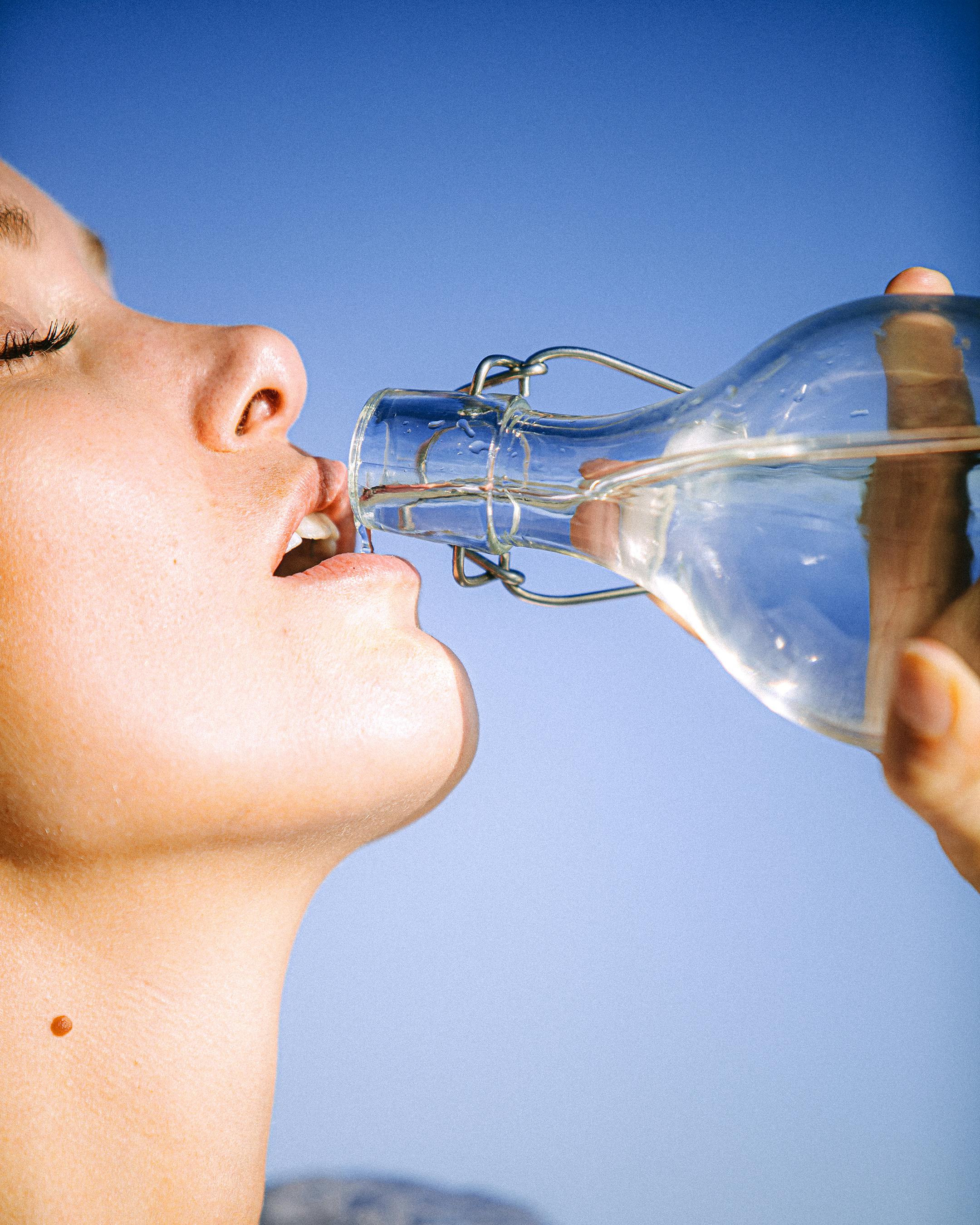
Cabin humidity on a typical long-haul flight sits between 10% and 20% — drier than most deserts, which average closer to 25%. This isn't marketing exaggeration; it's a direct consequence of how aircraft environmental systems work.
What dehydration actually does — and doesn't do
Mild dehydration from cabin air genuinely does cause dry skin, dry nasal passages, mild headache, and a sensation of fatigue that compounds jet lag — but dehydration itself is not the cause of jet lag. Jet lag is a circadian phenomenon; dehydration is a separate, additive discomfort.
Where the evidence is weaker is the popular claim that "drinking extra water flushes out jet lag." There's no mechanism by which water intake influences the suprachiasmatic nucleus or melatonin secretion. Hydration helps you feel less generally miserable — it does not substitute for light exposure or sleep timing.
A practical guideline
Aviation medicine guidance generally recommends roughly 200–250 ml (about one cup) of water per hour of flight, adjusted for your normal daily intake. This is a modest increase over ground-based recommendations, not a dramatic one.
What works against you
Alcohol and caffeine are both mild diuretics, meaning they increase fluid loss on top of the cabin's already dry air. Alcohol carries an additional cost specific to jet lag: it fragments sleep architecture and can create a false sense of drowsiness that doesn't translate into good-quality rest.
Practical setup
Bring an empty refillable bottle through security and fill it after the checkpoint. Asking flight attendants for water refills throughout the flight, rather than relying only on the drink cart pass, keeps intake more consistent.
Hydration won't fix jet lag on its own, but it removes one layer of discomfort that otherwise stacks on top of the circadian misalignment.
This article reflects general aviation-health guidance and is not medical advice, particularly for travelers with kidney, heart, or fluid-balance conditions who should follow their physician's specific recommendations.
Read how we select and verify our sources: Editorial Methodology