 nojetlag
Jet Lag in Children and Older Adults: Why Age Changes the Recovery Curve
How circadian recovery differs across age groups, and practical adjustments for traveling with kids or older relatives.
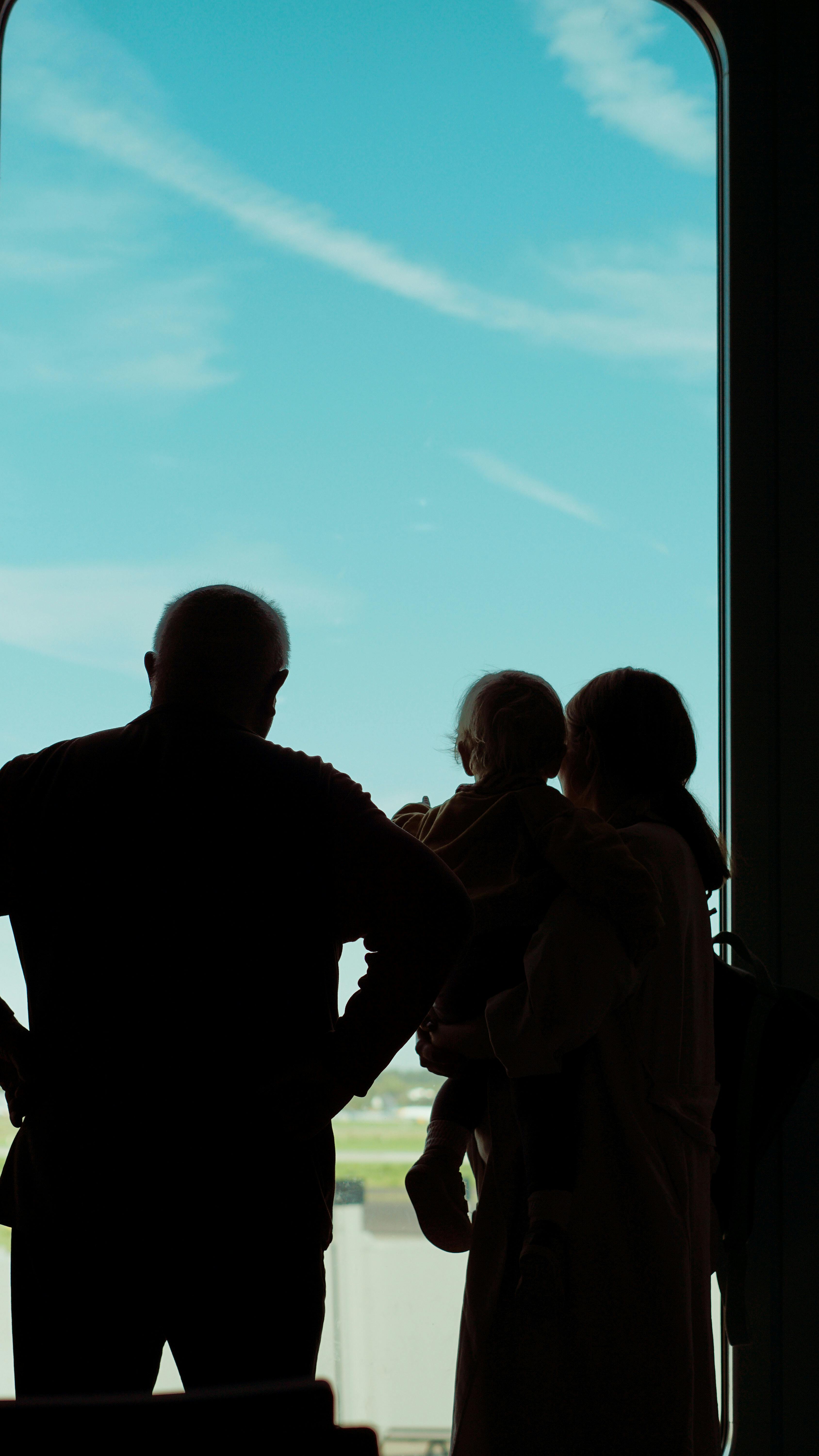
Most jet lag research and advice is built around healthy working-age adults, but circadian biology changes meaningfully across the lifespan. Traveling with young children or older relatives calls for adjustments to the standard playbook.
Children: strong clocks, less flexibility
Young children generally have robust, well-regulated circadian rhythms, but that regularity cuts both ways: their clocks resist being disrupted, and they can also take longer to voluntarily override sleep pressure or hunger cues. Studies suggest children often show similar total adjustment time to adults per time zone crossed, but with more pronounced behavioral symptoms — irritability, tantrums, appetite disruption — during the process.
- Start the schedule shift before departure, but move it more gradually (10–15 minutes a day rather than 20–30).
- Melatonin is used off-label in some pediatric jet lag protocols, but pediatric dosing and safety data vary significantly by age — only after consulting a pediatrician.
- Daylight exposure works the same way for children as adults; outdoor play at the destination's local morning is both effective and enjoyable.
Older adults: a more complicated picture
Aging affects circadian biology in a few specific ways. Melatonin production naturally declines with age, and the amplitude of the circadian rhythm tends to flatten. Somewhat counterintuitively, this sometimes makes eastward jet lag easier for older travelers relative to their younger selves, since chronotype also shifts earlier with age.
However, older adults are more likely to be on medications that interact with melatonin and are more likely to have sleep architecture that's already more fragmented at baseline.
- Check medication interactions before considering melatonin — a specific conversation with a doctor or pharmacist, not general assumption.
- Prioritize hydration and gentle movement during long flights; reduced mobility and circulation concerns are more relevant in this group.
- Build in more buffer time after arrival before demanding activities.
The common thread
Across every age group, the same core levers apply — light exposure timing, gradual pre-trip schedule shifts, and protecting sleep once you land — but the pace and tools need to flex around each traveler's biology. A one-size plan for a family trip usually underserves at least one generation in the group.
This article offers general educational information and is not a substitute for personalized medical advice from a pediatrician, geriatrician, or your family's physician.
Read how we select and verify our sources: Editorial Methodology