 nojetlag
Jet Lag Taipei to San Francisco (TPE–SFO): Timeline & Plan
Eastbound protocol (despite flying west) · TPE → SFO · effective 8-hour shift · Last updated & sources reviewed: August 2026
On This Page
- Why This Route Feels the Way It Does
- Recovery Timeline
- Before You Fly
- In Flight
- On Arrival
- Know Your Airports: TPE and SFO
- What to Buy
- What You Can't Pack
- Frequently Asked Questions
- Key Takeaways

You cross the Pacific eastward, gain the calendar day back, and land in San Francisco on the same date you left Taipei. The clock difference of 16 hours works out, physiologically, as an 8-hour eastward advance — the harder direction. Expect around 8 days for full realignment and 4–5 to feel functional. Roughly two days longer than the outbound leg, on a shorter flight.
A note on seasonal variation: Taiwan has no daylight saving; California does. The gap is 15 or 16 hours by season and the effective shift 8 or 9. Flight timings are approximate estimates that vary with season, airline and winds. Operational planning in this guide follows three primary evidence anchors: recovery speed is usually approximately one circadian hour per day eastward and somewhat faster westward (Waterhouse et al., 2007); light timing effects follow the human phase response curve, so morning and evening exposure can shift the clock in opposite directions (Khalsa et al., 2003); and melatonin evidence is strongest for correctly timed short-term use after eastbound travel (Herxheimer & Petrie, 2002). For practical timing details, see our melatonin guide. If you use melatonin, check timing and interactions with a pharmacist or doctor.
Why This Route Feels the Way It Does
Direction inverts against you. Crossing the Pacific eastward puts San Francisco behind Taipei on the clock, which reads as westward travel and its faster recovery. The body disagrees: it takes the shorter path to realignment, which here is an 8-hour advance rather than a 16-hour delay. Advancing is the direction human biology resists, and that costs roughly two extra days over the outbound.
The flight is easier than the outbound. Eastbound transpacific crossings pick up the jet stream and run shorter — typically by an hour or more. You arrive less physically wrung out than you did going west. The difficulty here is entirely the clock.
Landing into a San Francisco morning is the one lucky break. An eastward advance needs morning light, and this route hands you one on arrival. It is the single easiest thing about the leg, and worth using rather than sleeping through.
A caveat. On gaps above 12 hours the direction of re-entrainment is less predictable than the arithmetic implies. Treat these as planning estimates.
Recovery Timeline
| Day | What's happening | What to do |
|---|---|---|
| Day of travel | Land in the SF morning on the same date you departed | Get outside on arrival; don't treat the recovered day as usable |
| Days 1–3 | Trouble falling asleep at a local hour; wired evenings | Morning light daily; dim evenings; naps capped at 20–30 minutes |
| Days 4–6 | Sleep onset improving, afternoons still soft | Hold the schedule |
| Days 7–8 | Near-full alignment | Normal routine |
The signature symptom is difficulty falling asleep rather than early waking — the mirror image of the outbound leg's pattern.
Before You Fly
Eight effective hours eastward is worth real preparation:
- Shift sleep earlier by 30–60 minutes for three or four nights before departure.
- Get morning light in Taipei in the run-up.
- Arrive rested. An eastward advance compounds badly with sleep debt.
In Flight
- Set your phone to San Francisco time at the gate.
- Sleep early in the flight. You're landing into an SF morning and need something resembling a night behind you before walking into a full day.
- Note the EVA Air restriction if applicable: power bank use and charging are prohibited throughout the flight, with a two-bank cap per passenger. Charge before boarding.
- Go easy on the last meal service. Eating heavily an hour before an SF morning landing sets your digestive clock the wrong way.
- Hydrate and move, though this is the shorter of the two Pacific crossings.
On Arrival
- Morning light immediately on landing. The route delivers you into exactly the light window an eastward advance needs. Step outside rather than heading straight for a hotel room.
- Don't spend the recovered day. The calendar gives you a working morning; your body thinks it's the small hours. Treat it as recovery.
- Dim the evening. Bright light late pulls your clock backwards precisely when you'll be tempted to stay out.
- Cap naps at 20–30 minutes.
- BART into the city is roughly 30 minutes from the International Terminal station — predictable, and easier than negotiating traffic while running on Taipei time.
Know Your Airports: TPE and SFO
Departing from Taiwan Taoyuan International Airport (TPE)
- Get there via the Airport MRT. Express to the airport from Taipei Main Station takes about 35 minutes; all-stop services 50–60. The last express runs around 23:30 — worth checking against a late departure.
- Terminal 1 handles Concourses A and B, Terminal 2 Concourses C and D, with EVA Air primarily in Concourse C. Terminal 2 houses the main MRT station.
- Free airside showers are available 24 hours at multiple points, including Terminal 1 Floor 4 departures. Bring a towel.
- Free themed lounges in Terminal 2 include Hello Kitty Wonderland and a metaverse room, all free to use.
- 2026 change to note: the South Line inter-terminal shuttle stopped running on 1 July 2026 as part of the Terminal 3 construction. Plan terminal transfers accordingly.
Arriving at San Francisco International Airport (SFO)
- The International Terminal is the largest in North America, which is less impressive when you're queuing for immigration after eleven hours.
- Active construction to plan around: the Terminal 3 West Modernization project has closed the Terminal 3 AirTrain station since November 2025, with the Terminal 2 stop serving both. If you're connecting onto United, note that D and E gate check-in has moved to Terminal 2.
- You can walk airside from Terminal 3 to Terminal 2 and to the International Terminal's G gates, which keeps domestic connections manageable.
- BART runs from the International Terminal station into downtown in about 30 minutes.
- Fog is a genuine delay factor at SFO in a way it isn't at most US airports.
A Few Fun Facts to Pass the Time in Line
At TPE:
- Terminal 2's fifth-floor south deck has a "Taiwan Temple Avenue" installation.
- The Hello Kitty gate in Terminal 1 is a fixture rather than a gimmick, and a reliable photo stop.
- Terminal 3, under construction at roughly US$2.3 billion, will exceed the capacity of Terminals 1 and 2 combined — Taipei 101 cost around $1.9 billion by comparison.
- Taoyuan handles more than 80% of Taiwan's international passenger traffic.
At SFO:
- The world's first airport yoga room opened here, in Terminal 2, and there are now several with free mats.
- Harvey Milk Terminal 1 is the first airport terminal anywhere named for an LGBTQ+ leader.
- The Wag Brigade — therapy animals in "Pet Me" vests, including at one point a pig — works the terminals.
- SFO operates an accredited museum, with rotating exhibits placed through the concourses.
- The Berman Reflection Room in the International Terminal is a quiet space for meditation, and one of the few genuinely calm corners in the building.
What to Buy
For the flight itself
Eleven-plus hours, with sleep in the first half being the priority — a proper eye mask matters more here than on the outbound. Charge everything before boarding.
For your first days in San Francisco
Layers, because the SF summer is colder than visitors expect and a foggy morning is a poor introduction when you're already depleted. A plan for getting outside early — morning light is the whole strategy on this leg.
Souvenirs and local specialties
From Taipei, before you fly:
- Pineapple cakes, the default Taiwanese gift, widely available airside.
- High-mountain oolong, which is what Taiwan does better than nearly anywhere.
- Nougat crackers, a Taipei specialty that survives a suitcase.
- Not pork or poultry products in any form — see below.
From San Francisco, before you fly home:
- Boudin sourdough from the International Terminal.
- Bay Area coffee beans.
- Note that meat and fresh produce will not clear Taiwanese customs on a return trip.
What You Can't Pack
Flying out of TPE (Taiwanese rules)
- E-cigarettes are illegal in Taiwan — importing, selling and using them is prohibited under the Tobacco Hazards Prevention Act, including disposables and zero-nicotine liquids. Do not pack one in either direction.
- Liquids: 100ml containers in a single 1-litre clear resealable bag.
- All bladed items go in checked baggage.
- Duty-free liquids are subject to the same rules as other liquids if you're connecting onward.
- If you're carrying anything you're unsure about, use the red channel. Declaring prevents a fine even if the item is then confiscated.
Arriving in the US and departing from SFO (TSA rules)
- 3-1-1 liquids: containers over 3.4 oz (100ml) go in the hold.
- Power banks carry-on only; anything over 27,000mAh (100Wh) is banned from both.
- Foldable knives and multi-tools banned from carry-on regardless of blade length.
- Alcohol above 140 proof banned entirely.
- Meat, fresh produce and many food items must be declared to US customs on arrival. Declaring is free; failing to declare is not.
Confirm with your airline and the relevant national authority before departure.
Frequently Asked Questions
How long does jet lag from Taipei to San Francisco actually last? About 8 days for full realignment, 4–5 to feel functional. The 16-hour clock gap becomes an effective 8-hour eastward shift, and eastward adjustment runs at roughly an hour a day.
How do I land the same day I left? You cross the international date line eastward and gain the day back. Taipei Wednesday evening becomes San Francisco Wednesday morning. Your body has been awake the whole time regardless of what the calendar says.
Why is this harder than the flight out, when it's shorter? The effective direction differs. Taipei to SF is an eastward advance, which biology resists; SF to Taipei is a westward delay, which it tolerates. About two days' difference on the same route.
Should I schedule anything the day I land? The calendar will tempt you. Your circadian system is at its lowest ebb during an SF morning after a Taipei evening departure. If it can wait a day, let it.
Key Takeaways
- The 16-hour clock gap becomes an effective 8-hour shift, running eastward despite the westward flight.
- Morning light is the tool — and landing into an SF morning makes that unusually easy.
- Baseline recovery is about 8 days against 6 for the outbound: same route, two days more.
- Taiwan bans e-cigarettes outright; the US requires food declarations on arrival. Both catch travelers on this pairing.
This article reflects general circadian rhythm research and is not medical advice. Individual recovery time varies. This page contains affiliate links; we may earn a commission at no extra cost to you.
Sources
- Waterhouse J., Reilly T., Atkinson G., Edwards B. (2007). Jet lag: trends and coping strategies. The Lancet. https://pubmed.ncbi.nlm.nih.gov/17398311/
- Khalsa S.B.S., Jewett M.E., Cajochen C., Czeisler C.A. (2003). A phase response curve to single bright light pulses in human subjects. Journal of Physiology. https://doi.org/10.1113/jphysiol.2003.040477
- Herxheimer A., Petrie K.J. (2002). Melatonin for the prevention and treatment of jet lag. Cochrane Database of Systematic Reviews. https://doi.org/10.1002/14651858.CD001520
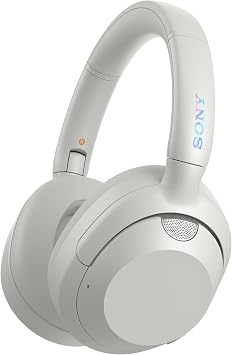 Sony ULT WEAR Noise Canceling Wireless Headphones
Blocks engine noise for in-flight rest.
See product Joint Genius Travel Neck Pillow Premium Memory Foam
Stops head drop for real in-flight sleep.
See product URJD Universal Travel Adapter 100W GaN
Charge all devices in 200+ countries.
See product Contoured blackout sleep mask
Protects your sleep window from stray light.
See product Graduated compression socks
Supports circulation on long flights.
See product Vanicream Daily Facial Moisturizer with Ceramides & Hyaluronic Acid
Rehydrates skin after dry cabin air.
See product Epielle Makeup Remover Wipes
Freshen face on arrival without a sink.
See product GuruNanda Disposable Travel Toothbrush 2.0 (21 ct)
Brush & floss on the go, no water needed.
See product